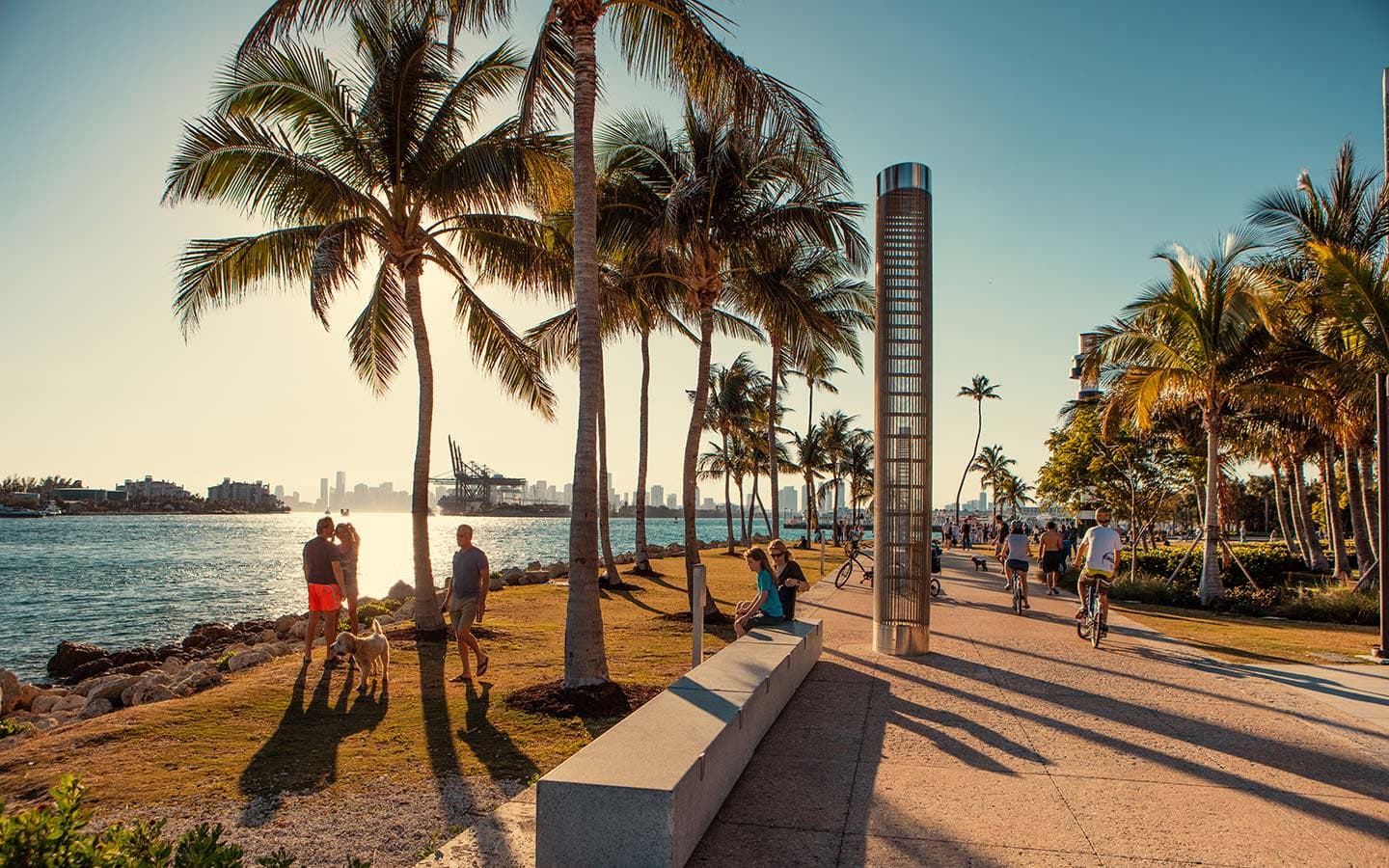
Accessible travel in Miami is getting better, but it still rewards planning. Distances can be long, sidewalks can change block by block, and beach access depends on the exact entrance. The best accessible Miami attractions are the ones where arrival, paths, bathrooms, shade, and backup plans all make sense.
This guide is not a substitute for calling ahead about specific mobility needs. It is a practical starting point for choosing easier days.
Best accessible culture stop: PAMM
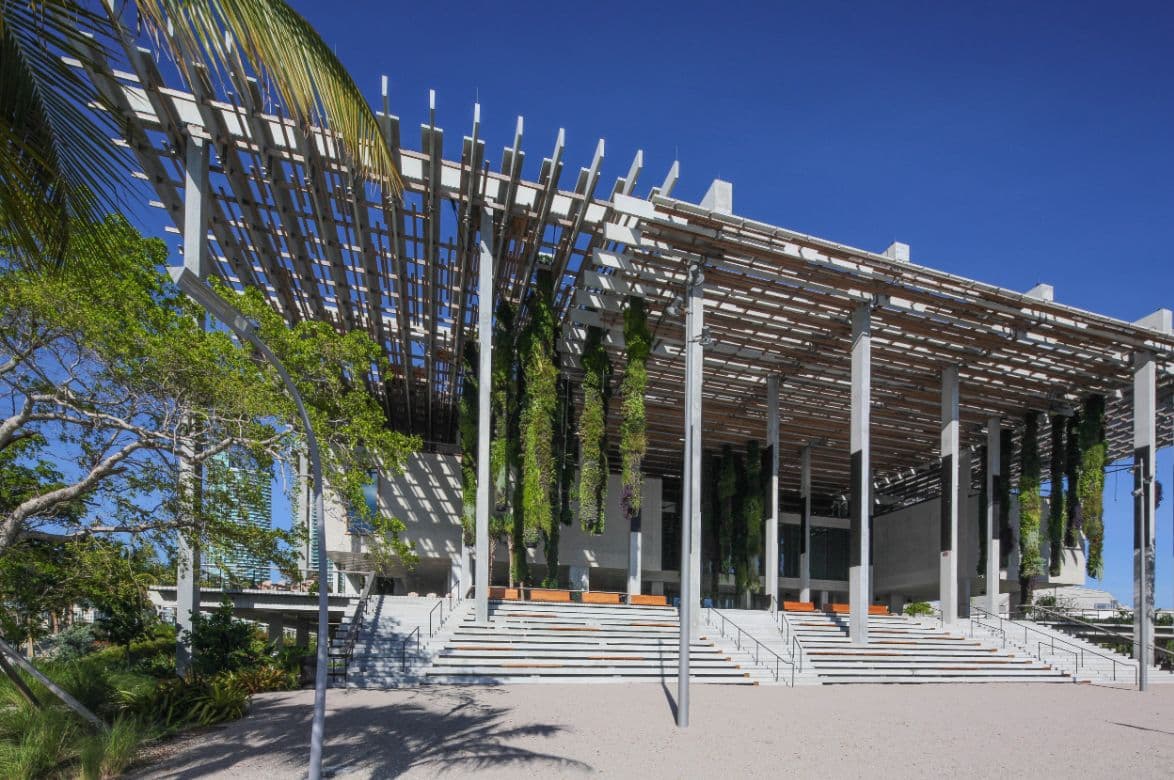
Perez Art Museum Miami is a strong pick because it is modern, spacious, and close to Downtown hotels. It pairs well with waterfront views and a calm pace. The nearby Frost Science can also work well for visitors who want an indoor attraction with elevators and structured exhibits.
This Museum Park area is one of the easier visitor zones if you are staying Downtown or Brickell.
Best indoor family option: Frost Science
Frost Science is useful for families, hot days, rainy afternoons, and travelers who need a break from outdoor routes. It is also close to PAMM, which makes it easier to build a day with fewer transfers.
If your group includes kids with different energy levels, this is a better bet than trying to force a long outdoor itinerary in the heat.
Best beach planning
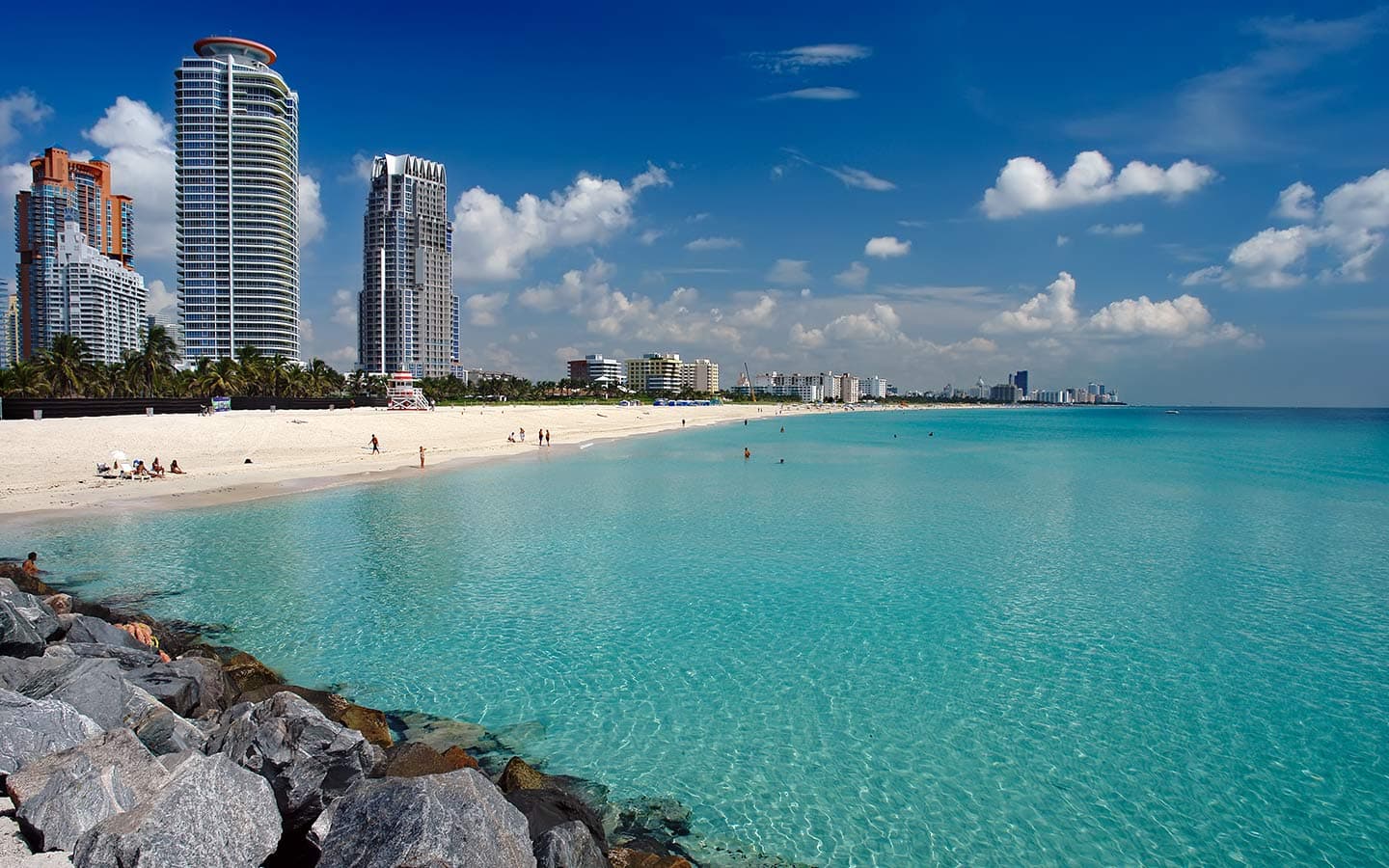
Miami's beaches can be accessible, but the details matter. The Greater Miami Convention & Visitors Bureau maintains an accessible travel resource page and notes that beach wheelchairs and beach mats are available at many entrances.
For more specific beach planning, read wheelchair accessible Miami beaches. South Beach, Mid-Beach, North Beach, Surfside, and Key Biscayne can all feel different depending on where you enter.
Best garden or historic visit
Vizcaya Museum and Gardens is beautiful, but it is also a historic property, so visitors with mobility needs should check current accessibility details before going. It may still be worth it, especially for garden lovers, but it is not the same as visiting a newer museum.
Deering Estate is another slower cultural option, but again, confirm details based on your needs before making it the centerpiece of the day.
Easier neighborhoods
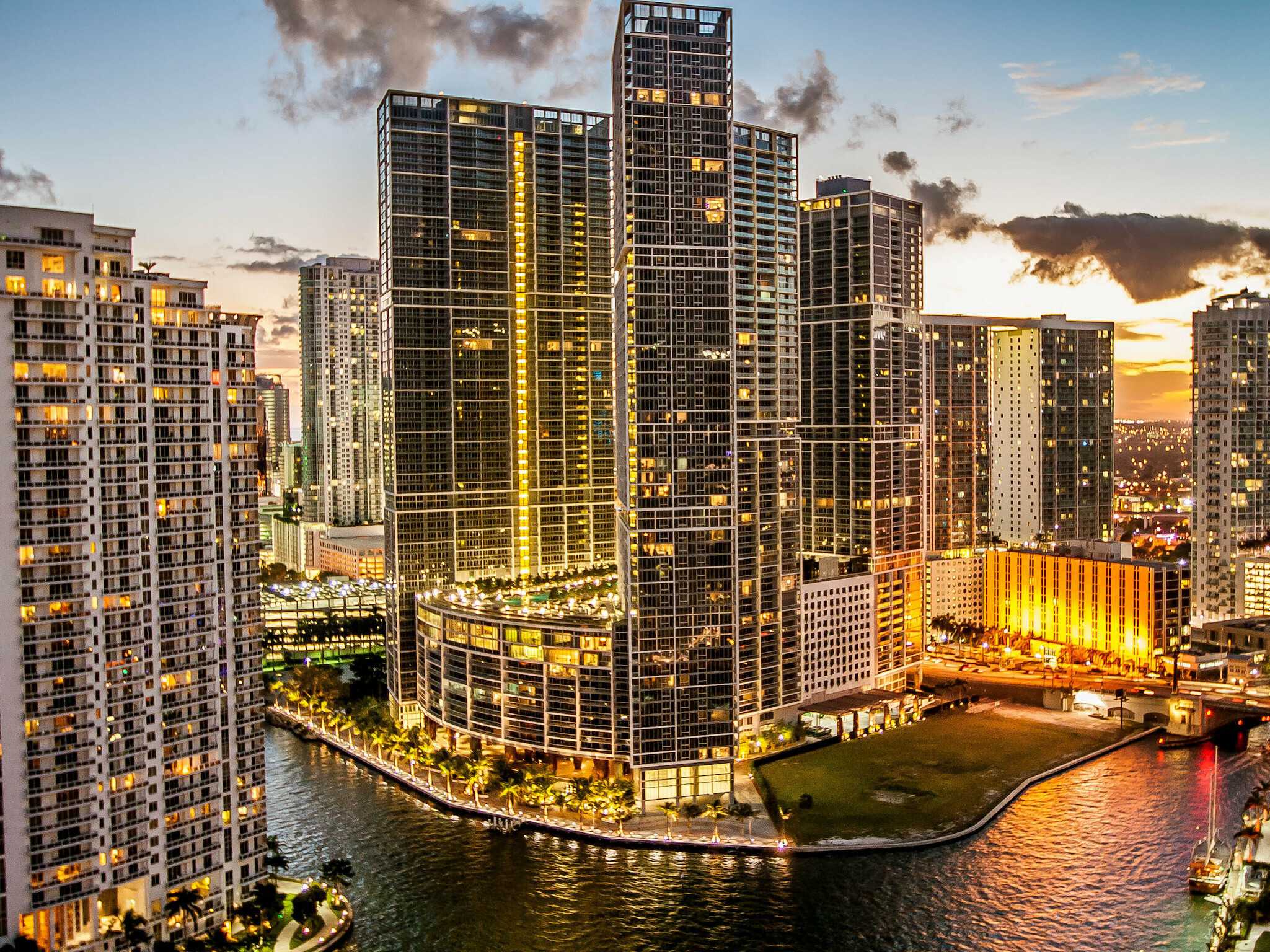
Brickell and Downtown are often easier bases because they have newer hotels, elevators, rideshare access, restaurants nearby, and the free Metromover. South Beach can be accessible too, but it is more sensitive to the exact hotel, sidewalk, parking, and beach entrance.
For hotels, start with where to stay in Miami without a car and then confirm accessibility directly with the property.
Planning tips
For a low-stress accessible itinerary, pair one major attraction with one nearby meal. Miami is more enjoyable when the day has room to breathe.
Build days around certainty
Accessible travel is smoother when the plan has fewer assumptions. If an elevator, beach mat, wheelchair, seating option, or accessible restroom is essential, confirm it before the day starts. Miami is improving, but conditions can vary by entrance, event, weather, construction, and staffing.
A good accessible itinerary usually has one anchor attraction, one nearby meal, and one backup. Downtown works well because PAMM, Frost Science, hotels, and rideshare access are close together. Beach days can be wonderful, but they need more entrance-specific planning. Historic properties can be beautiful while still requiring extra calls.
This post can support future long-tail topics like accessible Miami museums, wheelchair-friendly Miami itineraries, accessible shopping, and mobility-friendly beach hotels. Those pages would be genuinely useful and easier to differentiate than broad attraction lists.
Save confirmations in one place
When you call ahead or check accessibility details, save the notes in the same place as your itinerary. Include entrance names, parking notes, phone numbers, and backup plans. That way the person managing the day is not digging through tabs while everyone is hot or tired. Small organization can make an accessible Miami day feel much calmer.